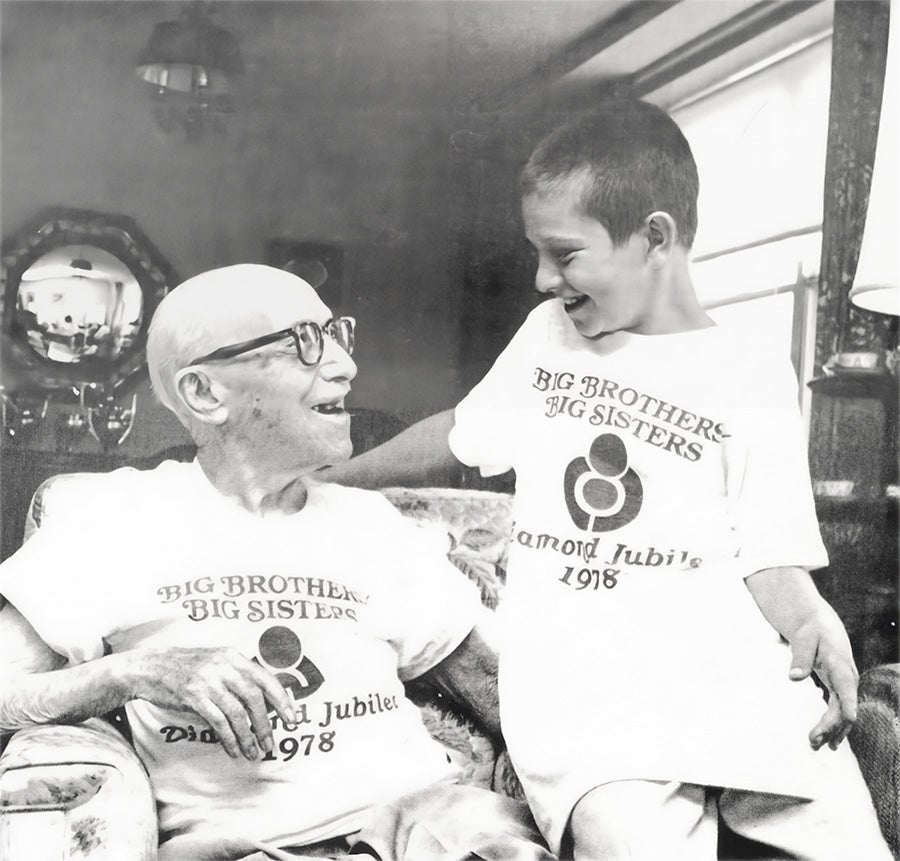
Our story has two beginnings, one year apart.
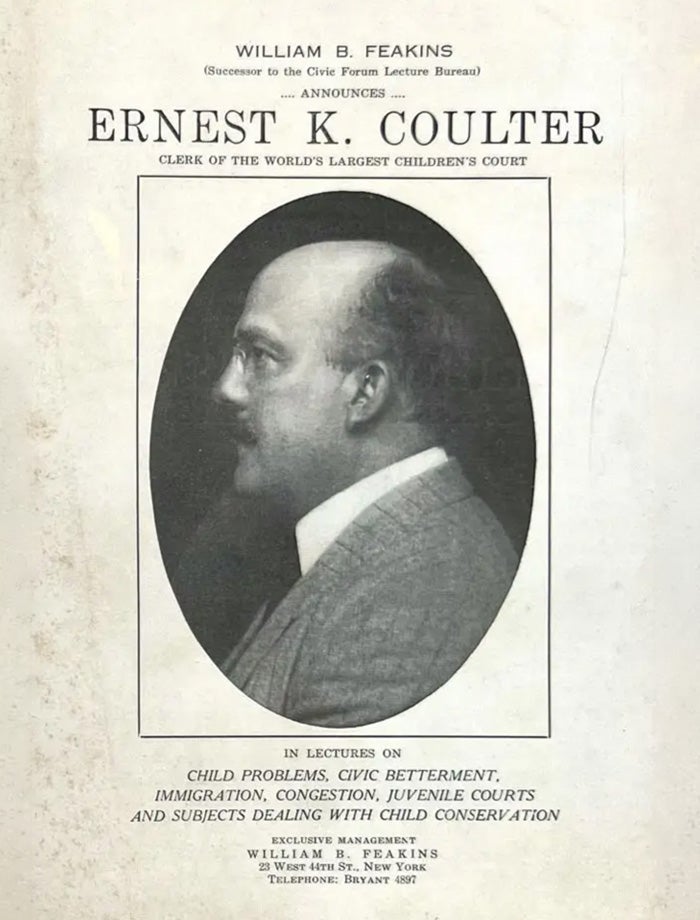
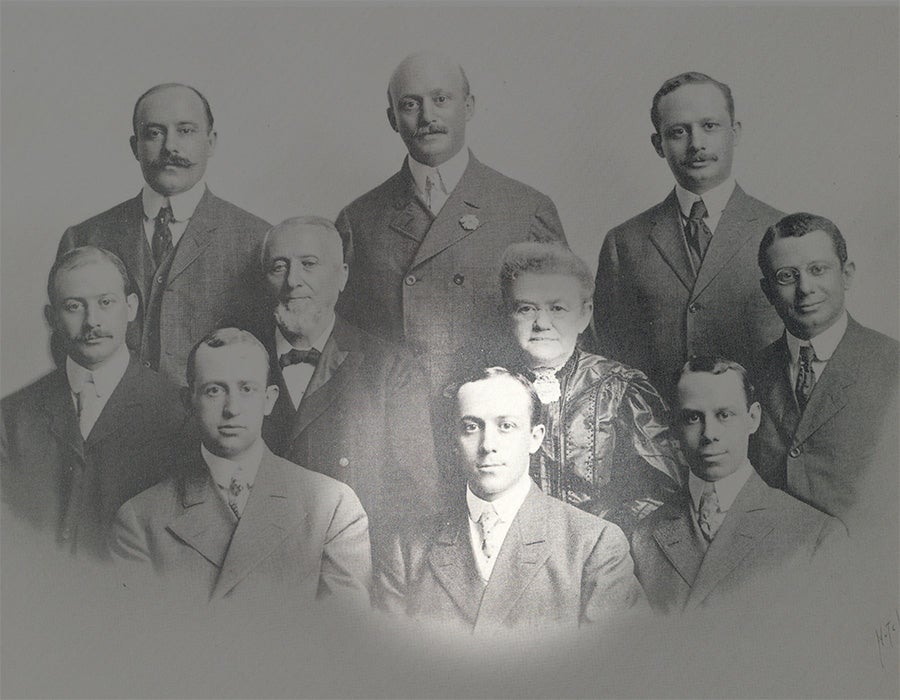
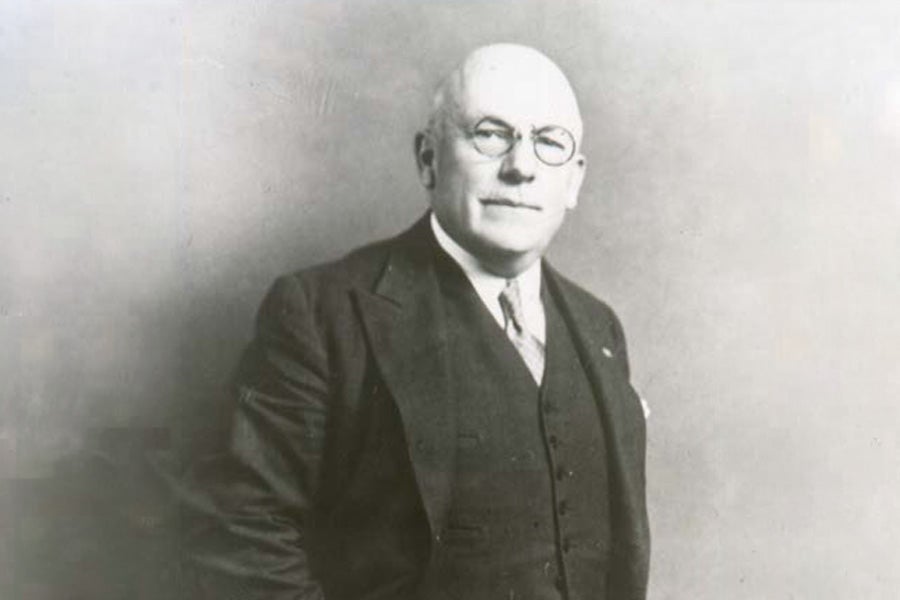
In 1902, Ernest Coulter, clerk of the city's new Children's Court, saw an endless cycle of young boys brought before the judge. Recognizing that "the law" wasn't what these children needed — but rather the guidance of a caring adult — he recruited 39 volunteers to become the first organized group of "Big Brothers," a radical alternative to the juvenile justice system.
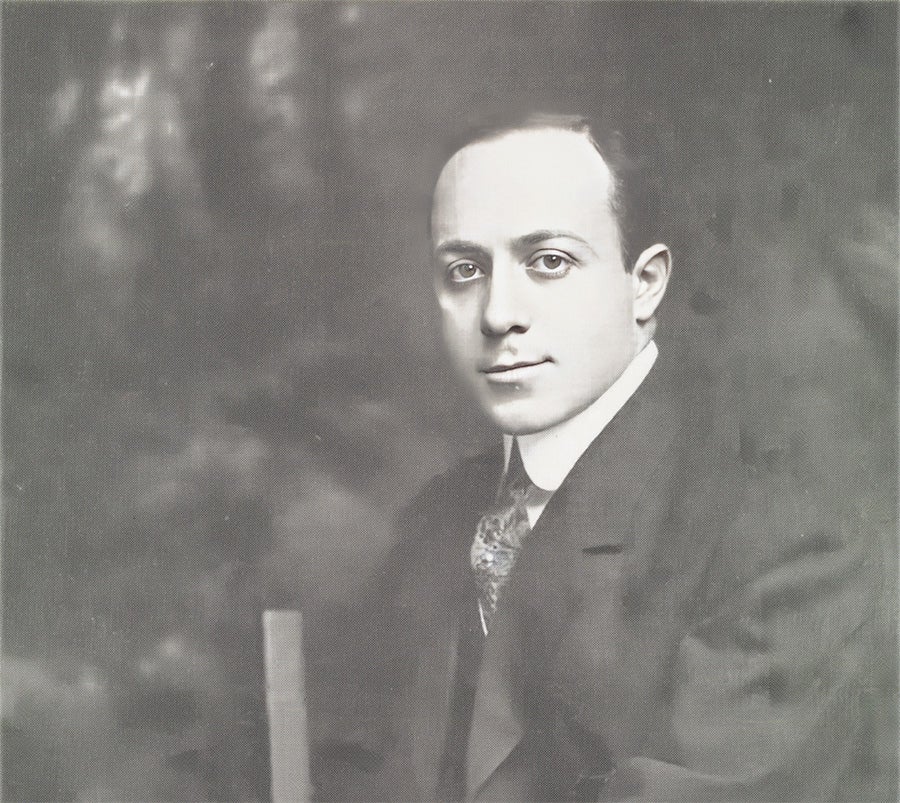
On July 4, 1903, in Cincinnati, 23-year-old businessman Irvin F. Westheimer looked out his office window and saw a young boy digging through a garbage can for food to share with his dog. He went downstairs, introduced himself, and took the boy to breakfast. That friendship with Tom — and the friends Irvin encouraged to do the same — planted the seed of one-to-one mentoring.
Simultaneously, the Ladies of Charity (later Catholic Big Sisters) began befriending girls entering the New York Children’s Court. Among these pioneers were Mrs. O’Keefe and Mrs. Parker, two of the first Big Sisters who realized that equity in mentorship was just as vital for young women.