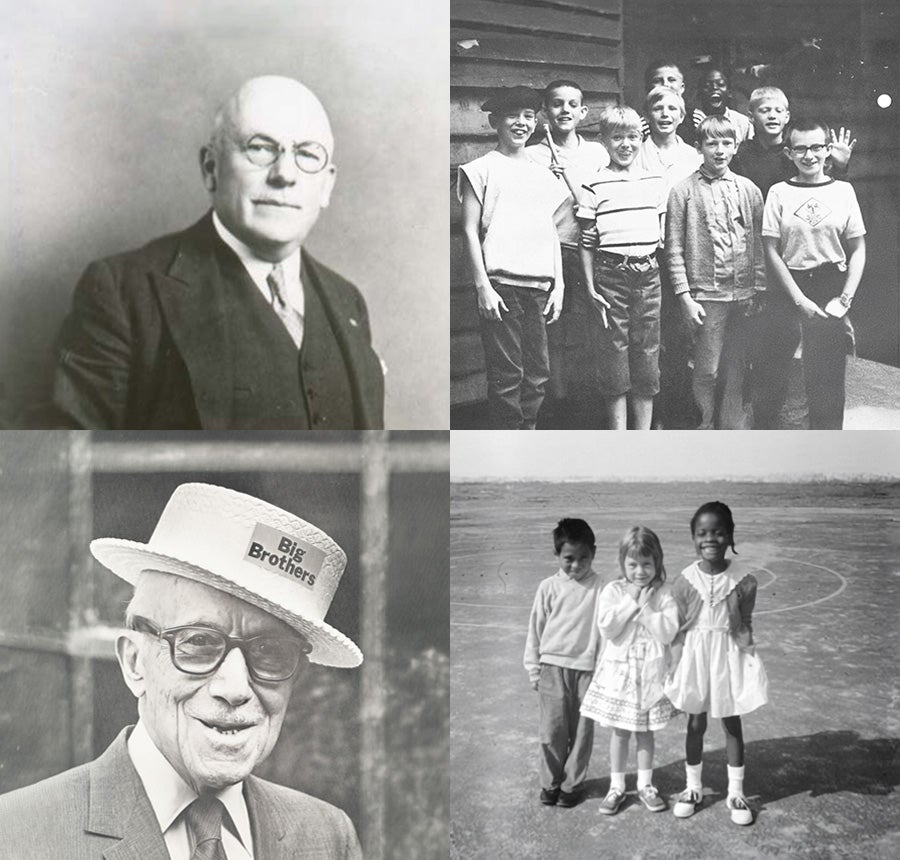
Section image

120+ Years. One Mission.

For more than 120 years, Big Brothers Big Sisters has been more than a mentoring program — it has been a movement.

Every Child Deserves a Champion

Our history is built on the belief that every child deserves a champion, and that one caring adult can change the course of a life forever.

Where It All Began

Our story has two beginnings, one year apart.

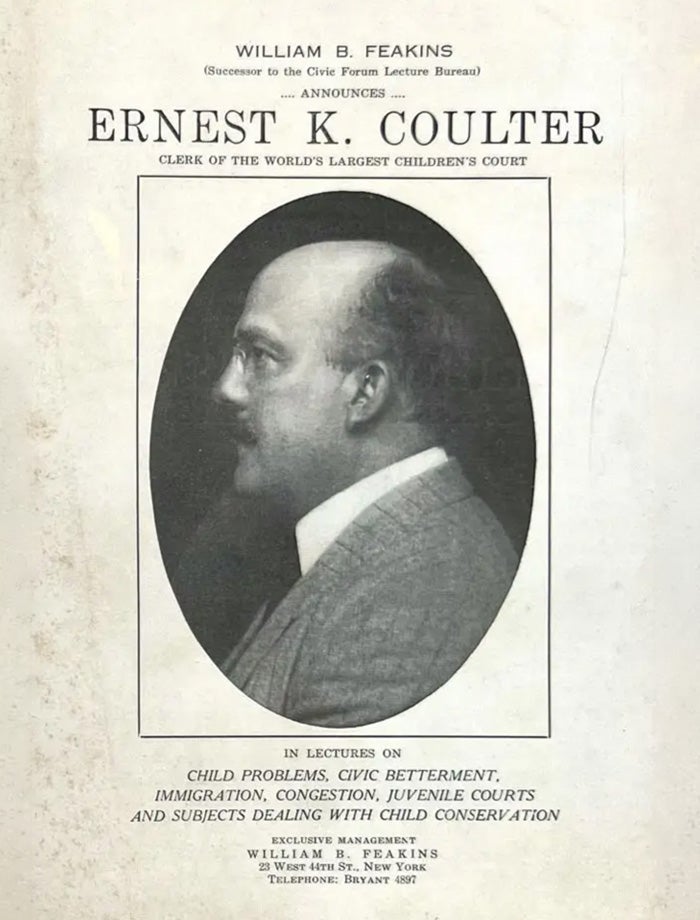
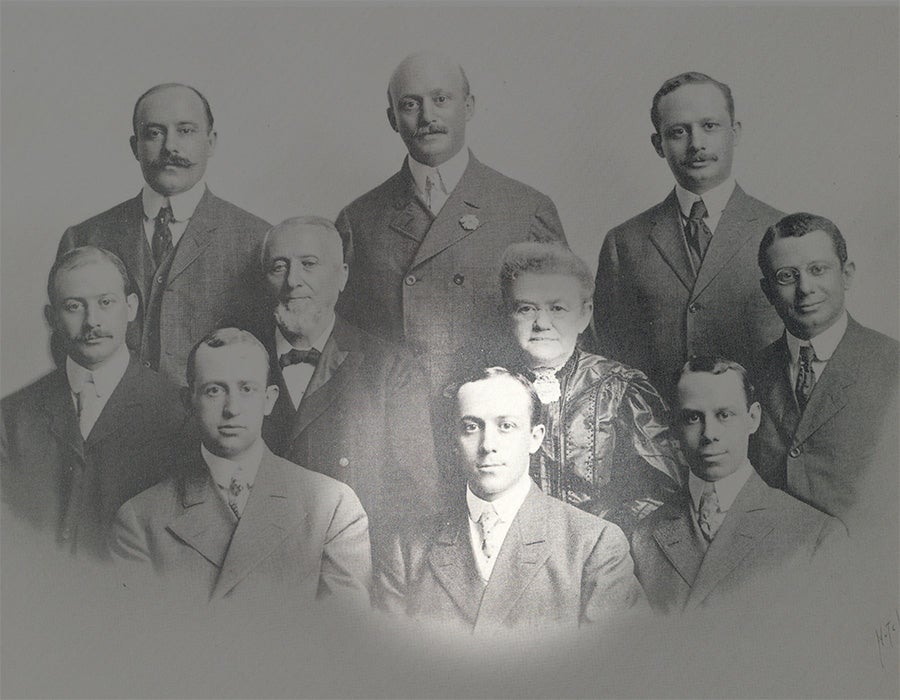
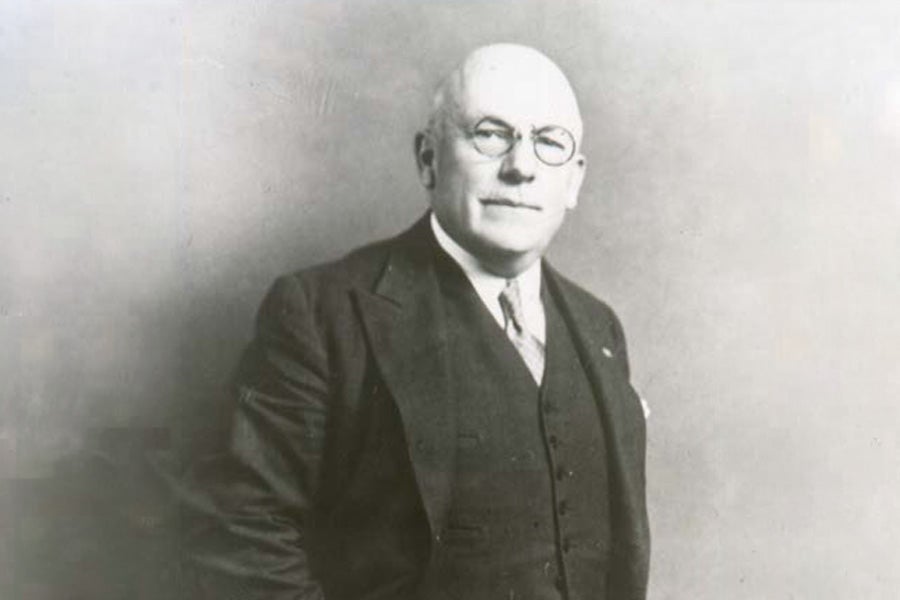
In 1902, Ernest Coulter, clerk of the city's new Children's Court, saw an endless cycle of young boys brought before the judge. Recognizing that "the law" wasn't what these children needed — but rather the guidance of a caring adult — he recruited 39 volunteers to become the first organized group of "Big Brothers," a radical alternative to the juvenile justice system.

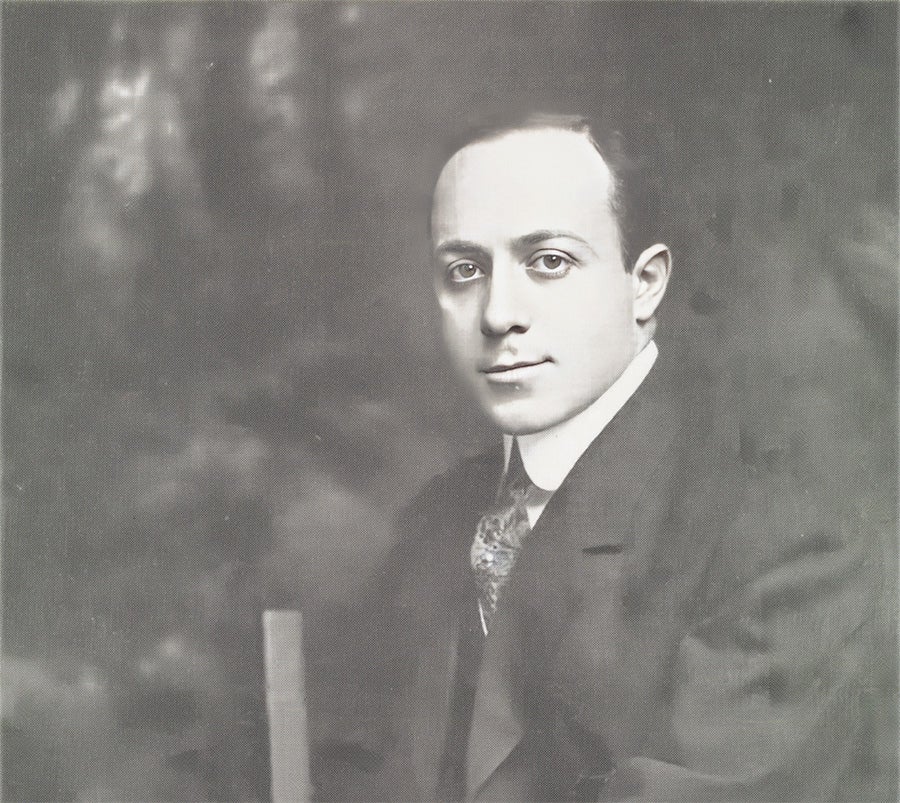
On July 4, 1903, in Cincinnati, 23-year-old businessman Irvin F. Westheimer looked out his office window and saw a young boy digging through a garbage can for food to share with his dog. He went downstairs, introduced himself, and took the boy to breakfast. That friendship with Tom — and the friends Irvin encouraged to do the same — planted the seed of one-to-one mentoring.

Simultaneously, the Ladies of Charity (later Catholic Big Sisters) began befriending girls entering the New York Children’s Court. Among these pioneers were Mrs. O’Keefe and Mrs. Parker, two of the first Big Sisters who realized that equity in mentorship was just as vital for young women.


<span class="green-text">Where It All Began
Ernest Coulter, Irvin Westheimer & Early Littles

The First Big Brother

Irvin never set out to start a movement. "It just happened," he later recalled. Inspired by his friendship with Tom, 15 to 20 of his friends began befriending boys of their own — and it was the boys who named them, calling the men their "Big Brothers." The men, in turn, called them "Little Brothers."

In 1910, Irvin turned that informal circle into an organization. On his honeymoon in London he came across a small "Elder Brothers" office at Toynbee Hall, and he returned home determined to build something bigger. That December, he and five fellow community leaders chartered Big Brothers of Cincinnati. Irvin served as its first president until 1915. Within two weeks it had 200 members, and it went on to help other Midwestern cities start programs of their own.

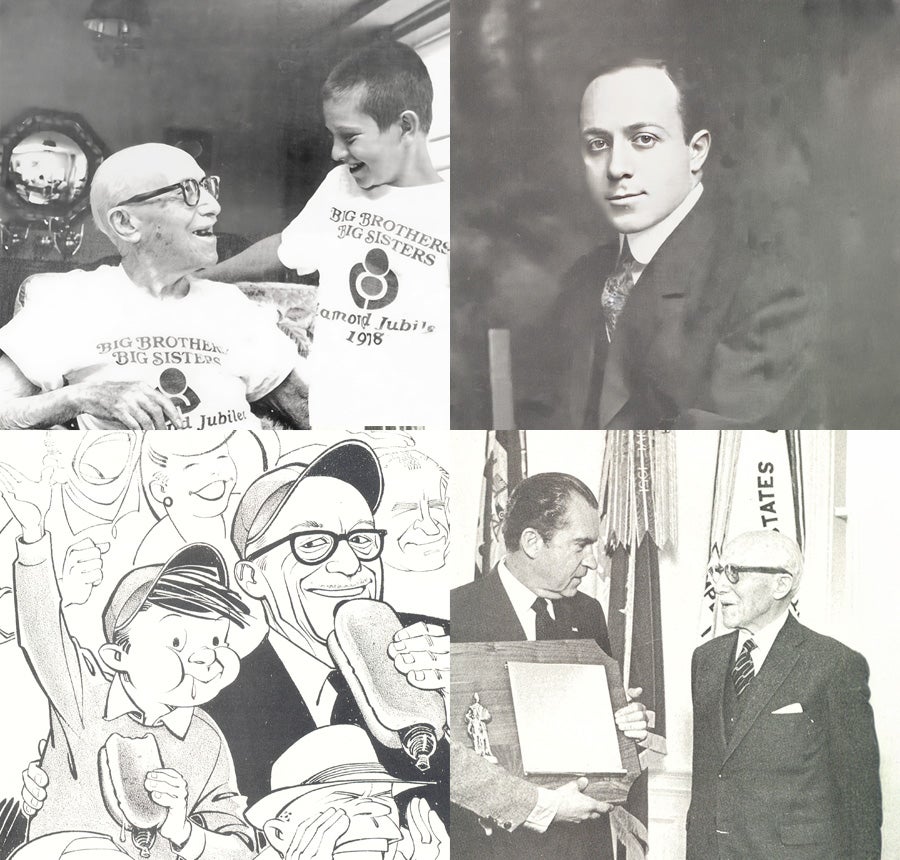
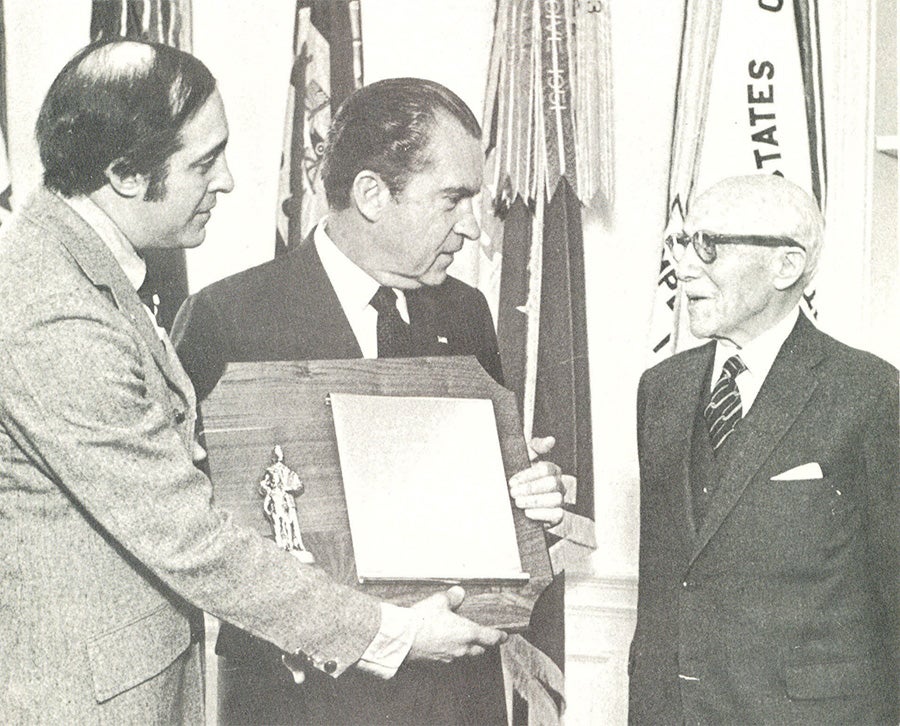
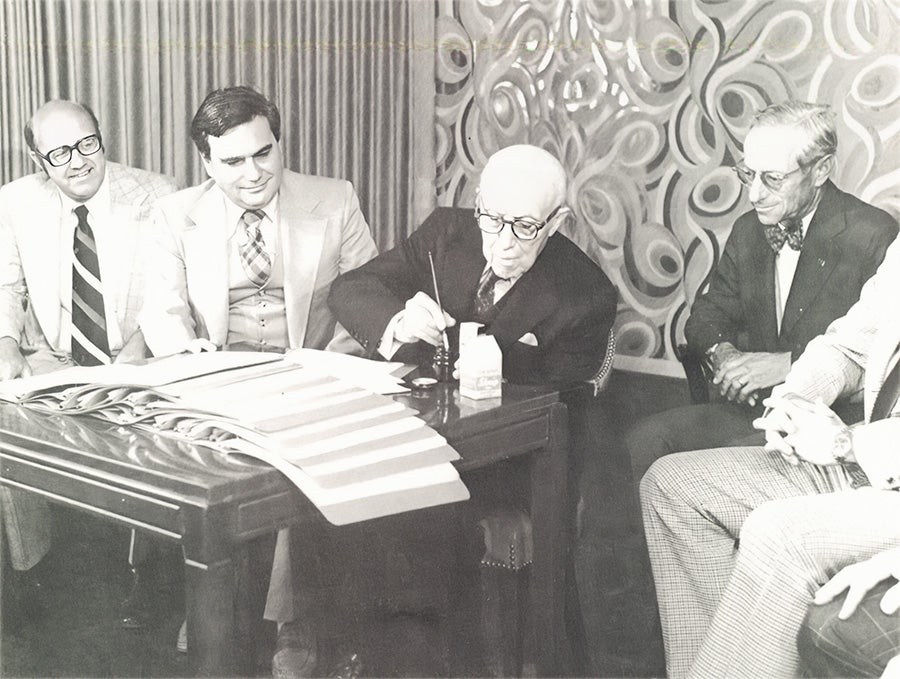
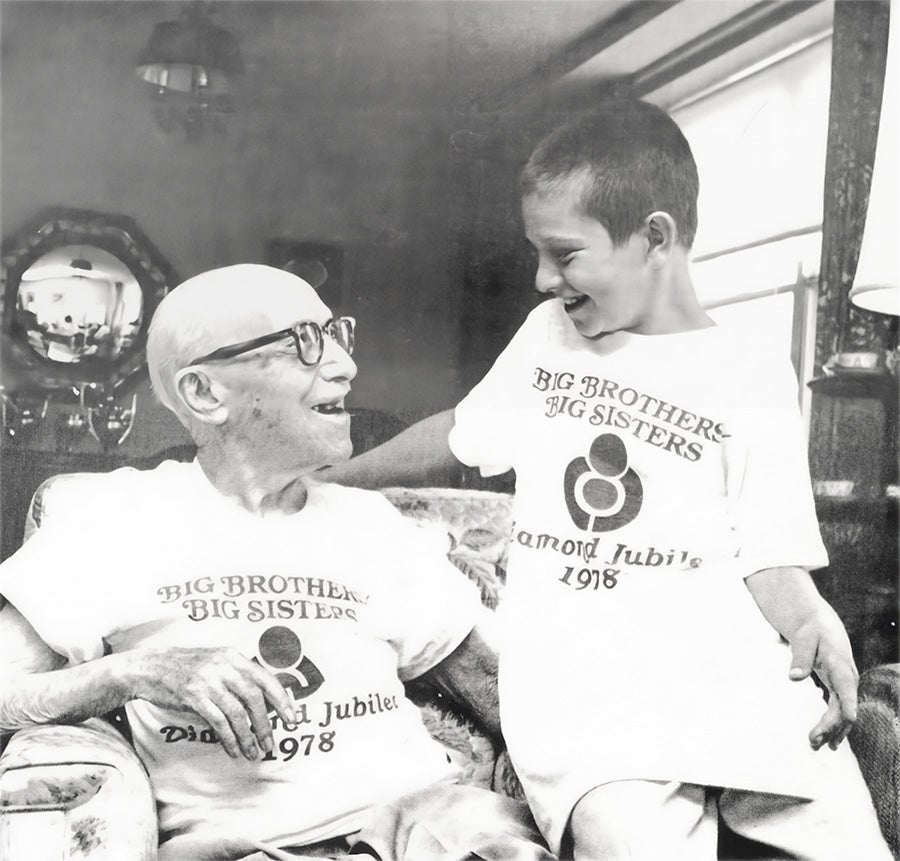
He stayed with the movement for the rest of his long life. In 1971 he joined in naming President Richard Nixon an Honorary Big Brother. In 1977 he was there to sign the merger papers that brought Big Brothers and Big Sisters together, and in 1978, at 98, he celebrated our Diamond Jubilee with a Little Brother by his side.

<span class="green-text">The First Big Brother
Irvin Westheimer